
Gut Health in Dogs
Gut health in dogs has become one of the most talked-about topics in veterinary medicine—and for good reason. Research continues to show that a dog’s gut affects far more than digestion. It influences immune strength, energy levels, skin health, and even behavior.
Veterinarians are increasingly focusing on gut health because the digestive system plays a central role in overall wellness. When the gut functions properly, dogs are more likely to stay healthy, energetic, and emotionally balanced. When it becomes disrupted, dogs may experience a wide range of health issues.
Understanding gut health in dogs helps cowners make smarter decisions about diet, lifestyle, and long-term wellness.

What Is Gut Health in Dogs?
Gut health in dogs refers to the balance of microorganisms living inside the digestive system. These microorganisms, known as the gut microbiome, include beneficial bacteria that support digestion and harmful bacteria that can cause illness when they grow out of control.
A healthy gut microbiome helps dogs:
- Break down nutrients effectively
- Support immune system defenses
- Maintain stable energy levels
- Regulate inflammation
According to the American Kennel Club, maintaining balanced digestion plays a key role in a dog’s overall health and disease prevention.
Why Vets Are Talking More About Gut Health in Dogs
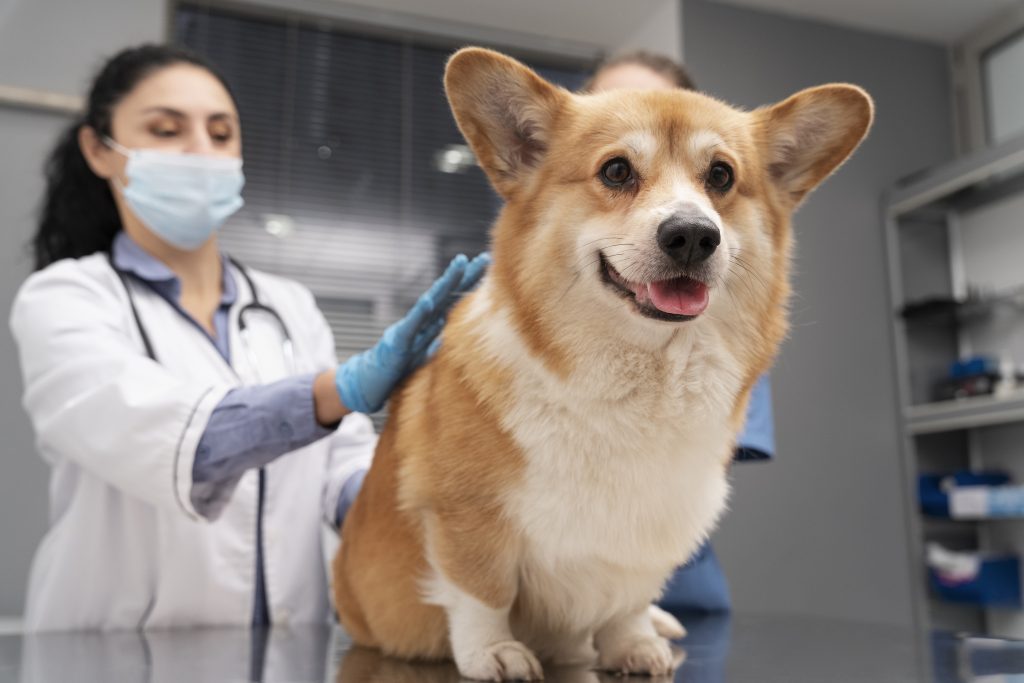
Veterinary professionals are paying closer attention to gut health in dogs because scientific research has linked the digestive system to multiple aspects of wellness.
1. Stronger Immune Function
Nearly 70% of a dog’s immune system is connected to the gut. When the digestive system is balanced, dogs can better fight infections and illnesses.
Dogs with poor gut health may experience:
- Frequent infections
- Allergies
- Chronic inflammation
2. Improved Digestion and Nutrient Absorption
Gut health in dogs directly affects how nutrients are absorbed. Even high-quality dog food may not provide full benefits if the digestive system cannot properly process nutrients.
Healthy digestion supports:
- Strong muscles
- Healthy coat and skin
- Consistent energy levels
3. Better Behavior and Mood Stability
Emerging research shows a strong connection between the gut and the brain, often called the “gut-brain axis.” Dogs with poor gut health may show increased anxiety, irritability, or behavioral changes.
When gut health improves, many dogs experience:
- Better focus
- Reduced anxiety
- Improved mood stability
Signs of Poor Gut Health in Dogs
Recognizing early warning signs helps owners address digestive problems before they worsen.
Common symptoms include:
| Symptom | Possible Meaning |
| Chronic diarrhea | Digestive imbalance |
| Frequent vomiting | Gastrointestinal irritation |
| Excessive gas | Poor bacterial balance |
| Dull coat | Nutrient absorption issues |
| Low energy | Digestive inefficiency |
If these symptoms persist, veterinary consultation is important.
What Causes Gut Health Problems in Dogs?
Several factors can disrupt gut health in dogs and affect their overall wellness.
Poor Diet Quality
Highly processed foods that lack proper nutritional balance can reduce beneficial gut bacteria and negatively impact digestion.
Stress and Anxiety
Emotional stress can directly affect digestive function in dogs. Changes in routine, environment, or lack of mental stimulation may contribute to digestive imbalance.
Antibiotic Overuse
While antibiotics help treat infections, they can also eliminate beneficial gut bacteria that support healthy digestion.
Sudden Diet Changes
Abrupt food changes can upset digestive balance and lead to stomach discomfort, diarrhea, or vomiting.
According to the ASPCA, gradual diet transitions help reduce digestive upset and support long-term health.
How to Support Gut Health in Dogs
Improving gut health in dogs involves consistent, simple lifestyle choices.
Feed High-Quality Nutrition
Balanced diets support beneficial bacteria and digestive efficiency. Foods containing natural fiber and essential nutrients help maintain gut stability.
Consider Probiotics and Prebiotics
Probiotics introduce helpful bacteria, while prebiotics feed beneficial microorganisms already present in the gut. Veterinary guidance is recommended before adding supplements.
- Maintain Consistent Feeding Routines
- Regular feeding schedules support digestive stability and reduce stomach stress.
- Reduce Stress
- Calm routines, exercise, and mental stimulation all help regulate digestive health.
- Provide Fresh Water
- Hydration supports nutrient absorption and overall digestive function.
- The Long-Term Benefits of Gut Health in Dogs
When gut health improves, dogs often experience noticeable overall improvements.
| Benefit | Result |
| Strong immunity | Reduced illness risk |
| Better digestion | Consistent stool quality |
| Healthier skin and coat | Improved appearance |
| Balanced behavior | Reduced anxiety |
| Higher energy levels | Increased activity |
Maintaining gut health helps dogs thrive throughout all life stages.
Why Gut Health in Dogs Is Becoming a Wellness Priority
Veterinarians are increasingly focusing on preventative care rather than only treating illness. Gut health is central to this approach because it supports multiple body systems simultaneously.
By improving gut health early, owners can help prevent:
- Chronic digestive disorders
- Immune-related diseases
- Behavioral complications
- Nutritional deficiencies
Final Thoughts
Gut health in dogs is far more than a digestion issue—it is a cornerstone of overall wellness. As research continues to highlight the connection between digestion, immunity, and behavior, veterinarians are placing greater emphasis on maintaining healthy gut balance.
By prioritizing nutrition, reducing stress, and maintaining consistent routines, dog owners can support long-term health and improve their dog’s quality of life.
Healthy digestion leads to happier, more energetic, and more emotionally balanced dogs.