
One in five dogs in the United States suffers from anxiety, which can manifest as destructive behavior or excessive barking when they’re home alone. This surprising reality highlights the importance of taking proactive steps to ensure our canine companions feel safe and secure in their environment. By adopting a few simple daily habits, you can significantly improve your dog’s sense of security at home.
Creating a consistent routine, offering interactive toys, and establishing a designated safe space are crucial habits to help your dog feel more at ease. Research shows dogs thrive on predictability and a set routine can reduce their stress levels. Additionally, mental stimulation through interactive toys keeps their minds occupied and can prevent anxiety-induced behaviors. Lastly, having a safe space where they can retreat during stressful moments can greatly enhance their feeling of security.
Adopt a consistent daily routine, create a designated safe space, provide interactive toys for mental stimulation, use positive reinforcement and encouragement, and practice calm departures and returns. These habits help reduce anxiety and increase your dog’s sense of security at home.
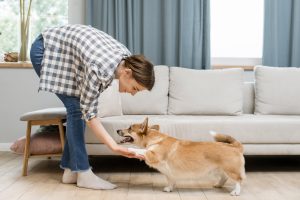
Help Your Dog Feel More Secure at Home: 5 Powerful Everyday Habits
A consistent daily routine can work wonders for your dog’s sense of security. Dogs thrive on predictability, so feeding, walking, and playing at the same times each day helps them know what to expect. This routine can significantly reduce their anxiety levels. Even small, consistent actions, like saying goodbye when you leave, can add to their sense of stability. Overall, a routine creates a comfortable environment for your furry friend.
Creating a designated safe space is also crucial. This space acts as a retreat where your dog can go when feeling stressed or overwhelmed. Make sure it’s quiet and filled with familiar items like their bed and favorite toys. This special spot should be easily accessible at all times. Your dog will quickly learn to associate this area with comfort and safety.
Interactive and mental stimulation toys are essential for a dog’s emotional well-being. These toys keep their minds active and help ward off boredom-related behaviors. Puzzle toys, treat-dispensing balls, and even simple games like hide-and-seek can be highly effective. Mental activities reduce anxiety by occupying their attention. Keeping your dog engaged prevents destructive actions linked to insecurity.
Using positive reinforcement can also make a big difference. Reward your dog with treats, praise, or playtime when they display calm and secure behavior. This encourages them to repeat those actions. Consistently acknowledging their good behavior helps build their confidence over time. Additionally, practice calm departures and returns to minimize stress around your comings and goings. This simple change can greatly reduce their separation anxiety.
Establish a Consistent Daily Routine
Dogs are creatures of habit, and establishing a consistent daily routine helps them feel secure. A predictable schedule for feeding, walking, and playing creates a structured environment. This structure reduces stress and anxiety since dogs know what to expect. Even simple actions like regular bathroom breaks can make a big difference. Consistency is key to a stable and happy dog.
Regular feeding times are particularly important for your dog’s well-being. Eating at the same times each day helps regulate their digestive system. It also helps prevent overeating or begging for food. You can create a feeding schedule that aligns with your daily routine. This ensures both you and your dog know when it’s mealtime.
Exercise is another vital part of a consistent routine. Taking your dog for walks at the same time each day provides physical activity and mental stimulation. This practice strengthens your bond and keeps your dog healthy. Regular exercise also helps manage their energy levels. A tired dog is a happy dog.
Besides physical activities, mental stimulation should be part of the routine. Engaging your dog in activities like training sessions or interactive toys challenges their mind. This stimulation prevents boredom and destructive behaviors. You can include short training sessions to teach new tricks or reinforce good behavior. Incorporating these elements creates a well-rounded and secure environment for your pet.
Create a Designated Safe Space
Creating a designated safe space for your dog provides them with a comforting retreat. This area should be calm and free from loud noises or high foot traffic. A quiet corner in a room where your dog can rest undisturbed works well. Ensure the space is filled with familiar items like their bed and toys. These elements create a sense of security and belonging.
Having a specific spot where your dog can go when they are feeling anxious is essential. This designated area helps them feel in control and safe. Consistently directing your dog to this space during stressful times reinforces its purpose. Over time, they will associate this area with comfort. The familiarity of their belongings adds to their sense of security.
You can also enhance this space by adding an item that carries your scent. A piece of clothing, for example, provides additional comfort. The scent helps soothe them because it reminds them of you. Lighting can also play a part; soft, indirect lighting makes the area more peaceful. Ensuring the area is cozy and welcoming encourages your dog to use it.
Consider any special needs your dog might have when setting up their safe space. If your dog is older, ensure the spot is easily accessible. For younger or more active dogs, the safe space might include some interactive toys. You could set up a calming diffuser nearby to help with relaxation. Tailor the area to suit your dog’s needs for the best results.
Offer Interactive and Mental Stimulation Toys
Interactive and mental stimulation toys are key to keeping your dog engaged and happy. These toys challenge their minds and prevent boredom, which can lead to destructive behaviors. Puzzle toys, for example, require your dog to figure out how to get treats from hidden compartments. Such activities are not only fun but also mentally stimulating. They keep your dog occupied for extended periods.
Treat-dispensing balls are another great option. These toys make your dog work for their treats, providing both physical and mental exercise. Rolling the ball around to release the treat keeps them engaged. It also satisfies their natural foraging instincts. These toys can be a great way to tire out a dog that has high energy levels.
Simple games like hide-and-seek can also be beneficial. Hide their favorite toy or a treat somewhere in the house and encourage them to find it. This game stimulates their sense of smell and gives them a task to complete. It’s a fun way to bond while also providing mental stimulation. Incorporating these games into your routine is easy and effective.
You can make a list of interactive toys and activities to keep your dog entertained:
- Puzzle toys
- Treat-dispensing balls
- Hide-and-seek games
- Kong toys filled with peanut butter
- Tug-of-war games
This list ensures a variety of engaging options for your dog.
Sharing playtime with your dog strengthens your bond. Playing with toys together provides valuable interaction and trust-building. It’s also a good chance to observe your dog’s preferences and adjust activities accordingly. Regular play sessions can enhance your dog’s mental health. They contribute to an overall happier and more secure pet.
For more inspiration and ideas, you can watch videos or read articles online. Pet websites often provide excellent recommendations for interactive toys and activities. Consulting with a vet or a pet trainer can also offer valuable insights. Tailoring the activities to your dog’s specific needs will yield the best results. Consistently incorporating these toys and games will keep your dog’s mind sharp and content.
Use Positive Reinforcement and Encouragement
Positive reinforcement is a powerful tool in dog training. Rewarding your dog with treats, praise, or playtime when they display desired behavior helps reinforce that behavior. This technique is effective for teaching new commands and encouraging good habits. Consistency is crucial to making positive reinforcement work. Dogs quickly learn to associate their actions with positive outcomes.
Encouragement can come in various forms beyond treats. Verbal praise and petting also provide a lot of reassurance. For instance, telling your dog “good job” enthusiastically makes them more likely to repeat the behavior. Creating a positive environment builds your dog’s confidence. This, in turn, makes them feel more secure at home.
Using a clicker in combination with treats can be very effective. A clicker is a small device that makes a clicking sound when pressed. You use it to mark the exact moment your dog performs a desired behavior. Following the click with a treat reinforces the action. Clicker training is precise and easy for dogs to understand.
You can create a rewards chart to keep track of your dog’s progress:
- Sit: Treat or praise
- Stay: Extra playtime
- Come: Food reward
- Heel: Verbal praise
- Leave it: Petting or toys
Positive reinforcement should be immediate and specific. Rewarding your dog right after they exhibit good behavior makes the connection clear. Specify what they did right, like saying “good sit” or “great stay.” This clarity helps them understand what actions are being rewarded. Over time, your dog becomes more attuned to what you expect.
Avoid punishing your dog for mistakes. Negative reactions can confuse them and lead to fear rather than learning. Focus on redirecting unwanted behaviors toward more desirable actions. For example, if they chew on furniture, guide them to a chew toy instead. This way, your dog learns in a positive, stress-free manner.
Practice Calm Departures and Returns
Practicing calm departures and returns can greatly reduce your dog’s anxiety. When you leave the house, your dog may become stressed if they sense a lot of excitement or worry from you. To avoid this, keep your departures low-key. Avoid prolonged goodbyes and maintain a calm demeanor. This helps your dog stay relaxed.
When you return home, it’s important to remain calm as well. Greet your dog with a gentle and composed attitude. Avoid high-energy interactions right away. Allow them to settle down before engaging in play or excitement. This sets the tone for a peaceful environment.
Consistency in your behavior helps your dog understand what to expect. If you maintain a calm approach every time you leave and return, it becomes part of their routine. This predictability reduces their anxiety. Over time, they learn that your departure is not something to worry about. They begin to adapt to your routine.
It may be helpful to desensitize your dog to your leaving cues. Start by performing your usual departure actions, like picking up your keys or putting on your shoes, without actually leaving. This helps break the association between these actions and your absence. Gradually increase the time you’re away. This method teaches your dog that these cues don’t always mean you’re leaving for long periods.
Additionally, provide your dog with distractions during your absence. Leave them with puzzle toys or treat-dispensing toys to keep them occupied. These distractions can keep their mind off your absence. Ensure these toys are safe and engaging. This provides mental stimulation and reduces stress.
Consider using a checklist to ensure your dog stays calm during departures and returns:
- Keep departures low-key
- Maintain a calm demeanor upon returns
- Desensitize your dog to leaving cues
- Provide engaging toys
- Establish a consistent routine
Following these steps ensures a smoother transition for your pet.
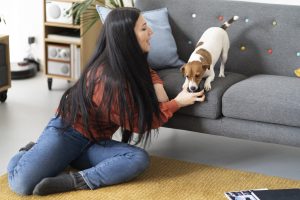
Frequently Asked Questions
Get answers to common questions about helping your dog feel more secure at home. These insights will enhance your understanding and improve your pet’s well-being.
1. How can I help my dog cope with separation anxiety?
Helping a dog with separation anxiety involves creating a safe environment and gradual desensitization. It’s important to start by leaving your dog alone for short periods and gradually increasing the time. Offering engaging toys helps distract them from your absence. Consistency and patience are key to progress.
Providing a safe space, such as a cozy corner with familiar items, can offer comfort. Using tools like treat-dispensing toys can also occupy their minds. Over time, your dog will learn that being alone is not something to fear. Always provide positive reinforcement for calm behavior during your departures and returns.
2. What are some signs that my dog feels insecure at home?
Insecure dogs often exhibit signs such as excessive barking, destructive behavior, or urinating indoors. They might also show symptoms like trembling, hiding, or refusing to eat. These behaviors indicate that your dog feels stressed or anxious in their environment. It’s important to recognize these signs early.
Panting and restlessness are other common indicators of insecurity. Observing your dog’s behavior carefully can help you identify stress triggers. Address these concerns by creating a stable routine and a safe, comforting space for your dog. Consulting a veterinarian can also provide additional guidance.
3. How does mental stimulation help my dog feel more secure?
Mental stimulation helps keep your dog’s mind active and engaged, reducing boredom and anxiety. When dogs have tasks to focus on, they are less likely to become stressed. Activities like puzzle toys or training sessions can be particularly effective. These tasks offer a sense of accomplishment and control.
This engagement prevents destructive behaviors often driven by boredom. Keeping their minds occupied also strengthens the bond between you and your pet. Regular mental exercises can make your dog more resilient to stressors in their environment. Consistency in these activities reinforces their sense of security.
4. What type of toys are best for reducing dog anxiety?
Toys that stimulate your dog’s mind and body can help reduce anxiety. Puzzle toys, treat-dispensing balls, and Kong toys are good options. These toys occupy their attention and reduce stress. Chew toys can also relieve anxiety by providing a physical outlet for stress. Choosing the right toy can make a significant difference.
Interactive toys that your dog can play with alone are especially useful for when you are not home. Variety in toys keeps their interest high. Regularly introducing new toys can prevent boredom and increase engagement. Understanding your dog’s preferences helps in selecting the best toys for anxiety reduction.
5. Why is a consistent routine important for a dog’s security?
Dogs thrive on predictability, and a consistent routine provides stability. Regular feeding, walking, and playing times help your dog know what to expect. This reduces anxiety and builds trust in their environment. Predictable schedules can make a significant difference in their overall well-being.
Consistency also helps in training and behavior management. When dogs understand their daily routine, they feel more secure and confident. This structure helps reduce confusion and stress, leading to a happier, more relaxed pet. Implementing a routine is a simple yet powerful way to enhance your dog’s sense of security.
According to the American Kennel Club, learning how to help your dog feel more secure at home through routine, positive reinforcement, and calm leadership can significantly reduce anxiety-related behaviors and improve overall well-being.
Conclusion
Implementing these five powerful habits can significantly enhance your dog’s sense of security at home. By establishing a consistent routine and providing a designated safe space, you contribute to their overall well-being. Interactive toys and positive reinforcement also play crucial roles. Calm departures and returns further minimize stress.
With patience and dedication, these habits create a nurturing environment. Your dog will feel more confident and secure in their daily life. A happy, relaxed pet is the ultimate reward. These small changes lead to a positive, lasting impact on your dog’s emotional health.